Japanese traditional arts are not passive — they are practices, passed through lineages of masters, that demand total presence. To learn them is to practice a way of being.
Traditional Arts 伝統芸術
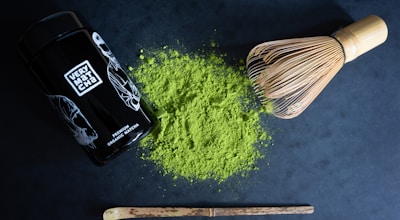
Chado — Tea Ceremony
Every movement prescribed, every utensil chosen with intention. The tea room is a space where host and guest meet in complete presence.
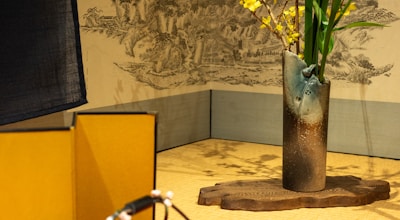
Ikebana — Flower Arranging
Not decoration but dialogue — between the arranger, the plant, and the space. Empty space is as important as what fills it.
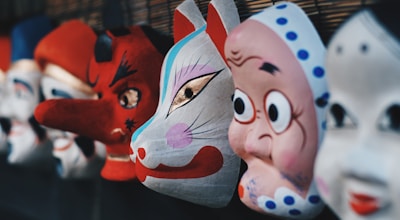
Kabuki
Stylized theatre of exaggerated movement, elaborate costume, and white-painted faces. An art form designated Intangible Cultural Heritage by UNESCO.
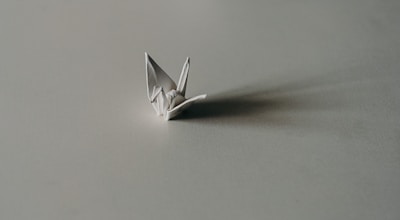
Origami
From the crane to complex geometric tessellations, a single sheet of paper folded without cuts — a metaphor for transformation through constraint.
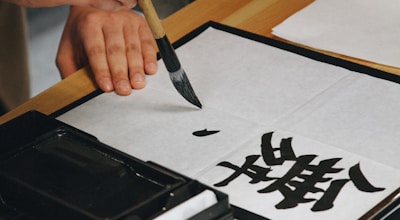
Calligraphy — Shodo
Ink, brush, and paper as a direct record of the calligrapher's inner state. Each stroke irreversible; each work a snapshot of a single breath.
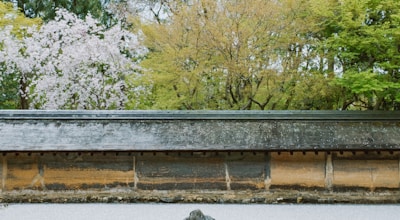
Noh Theatre
Japan's oldest surviving theatrical form. Masks, slow movement, and chanting create a trance-like atmosphere drawn from Buddhist and Shinto cosmology.
Seasonal Customs 季節の行事
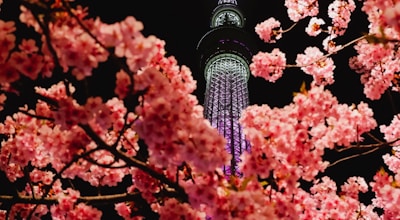
Hanami
Gathering under cherry blossoms to celebrate their brief bloom. The ephemeral beauty of sakura is perhaps Japan's most beloved metaphor.
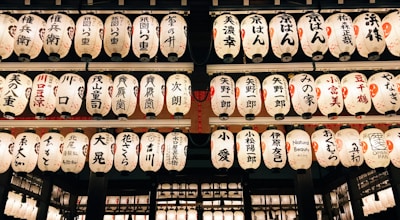
Obon
A Buddhist festival honoring ancestral spirits who return to visit the living, marked by lantern floats, bon odori dancing, and family reunion.
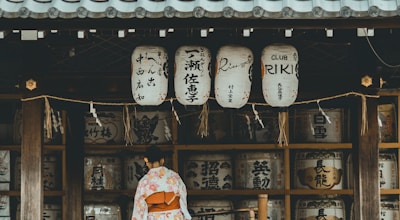
Shichi-Go-San
Children aged three, five, and seven are dressed in kimono and taken to shrines to pray for health and good fortune.