Japanese cooking is defined by restraint and respect — for ingredients, for seasons, and for the diner. The goal is never to overpower but to reveal the natural flavor of each component.
Iconic Dishes 代表的な料理
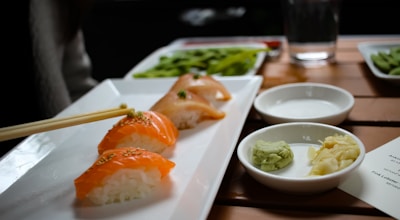
Sushi & Sashimi
The art of pairing vinegared rice with pristine raw fish, demanding knife skill honed over years of apprenticeship.
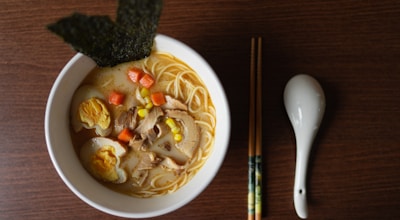
Ramen
Wheat noodles in a deeply layered broth — tonkotsu, shoyu, miso, or shio — each regional style fiercely its own.
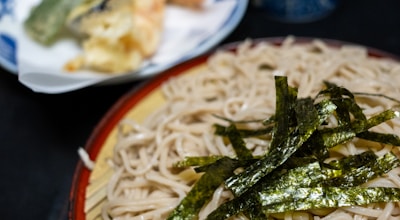
Tempura
Seafood and vegetables in a whisper-thin batter, fried at precise temperature so the coating crackles without heaviness.
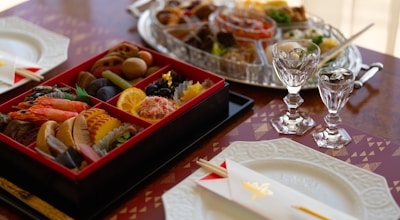
Kaiseki
A multi-course haute cuisine rooted in tea ceremony — each small dish a meditation on the current season.
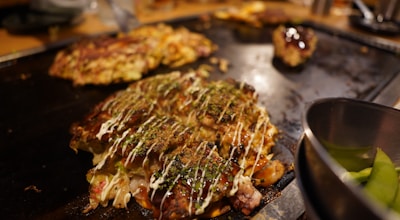
Okonomiyaki
A savory pancake of cabbage, egg, and chosen toppings, cooked on a teppan and finished with bonito flakes that dance in the heat.
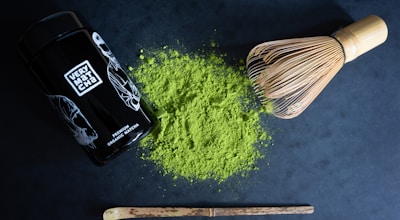
Matcha Sweets
Wagashi confections and matcha-flavored desserts balance bitter and sweet, designed to complement a bowl of tea.
Core Principles 料理の哲学
Shun — Seasonality
Ingredients are used at their seasonal peak. The menu follows the calendar; the calendar follows nature.
Umami — The Fifth Taste
Identified by Japanese chemist Kikunae Ikeda in 1908, umami — found in dashi, miso, and soy — is the soul of the cuisine.
Ma — Negative Space
Plating leaves room; flavors leave room. Restraint is considered a form of generosity toward the diner's experience.